
Editors
-
 Adam K. Dedman
 -
Alexander Kozlov
-
Ashleigh Cleary and Timothy Rich
-
Benjamin Fan
-
Brian Anderson and Timothy Rich
-
Bryce C. Barros
-
Charles Lyons Jones
-
Chen Nai-chia
-
Dafydd Fell
-
Darice Chang
-
Dinah Gardner
-
Ek-hong Ljavakaw Sia
-
Eugene Tseng
-
Gabor Szentesi
-
Gloria Hu
-
Grace Jackson
-
Gunter Schubert
-
Ho Ming-sho
-
Hugo Tierny
-
Ian Rowen
-
James Peel
-
James X. Morris
-
Janice Feng
-
Jean-Francois Dupre
-
Jeremy Olivier
-
Jojje Olsson
-
Joseph Bosco
-
Kate Hart and Timothy Rich
-
Kelvin Chen
-
Liam Joel Han
-
Louisa Greve
-
Lucas Knight and Timothy Rich
-
Mariah Thornton
-
Matt Taylor
-
Michal Thim
-
Michal Thim and Liao Yen-fan
-
Milo Hsieh
-
Ming-yeh Rawnsley
-
Niki J. P. Alsford
-
Peter Enav
-
Peter Mattis
-
R. D. Cheng
-
Sean Su
-
Staff
-
Stella Treumann and Timothy Rich
-
Tim Rich, Isabel Eliassen and Andi Dahmer
-
Timothy Rich
-
Timothy Rich and Andi Dahmer
-
Timothy Rich and Isabel Eliassen
-
Timothy Rich and Vasabjit Banerjee
-
William Stanton
-
 Yahsin Huang
 -
 Yau Hon-min






Taiwanese Celebrities Who Bow to China: A Tempest in a Teapot
Taiwanese entertainers Ouyang Nana and Angela Chang have sparked controversy in Taiwan over news that they will perform at China’s National Day celebrations. Their willingness to serve as propaganda tools …
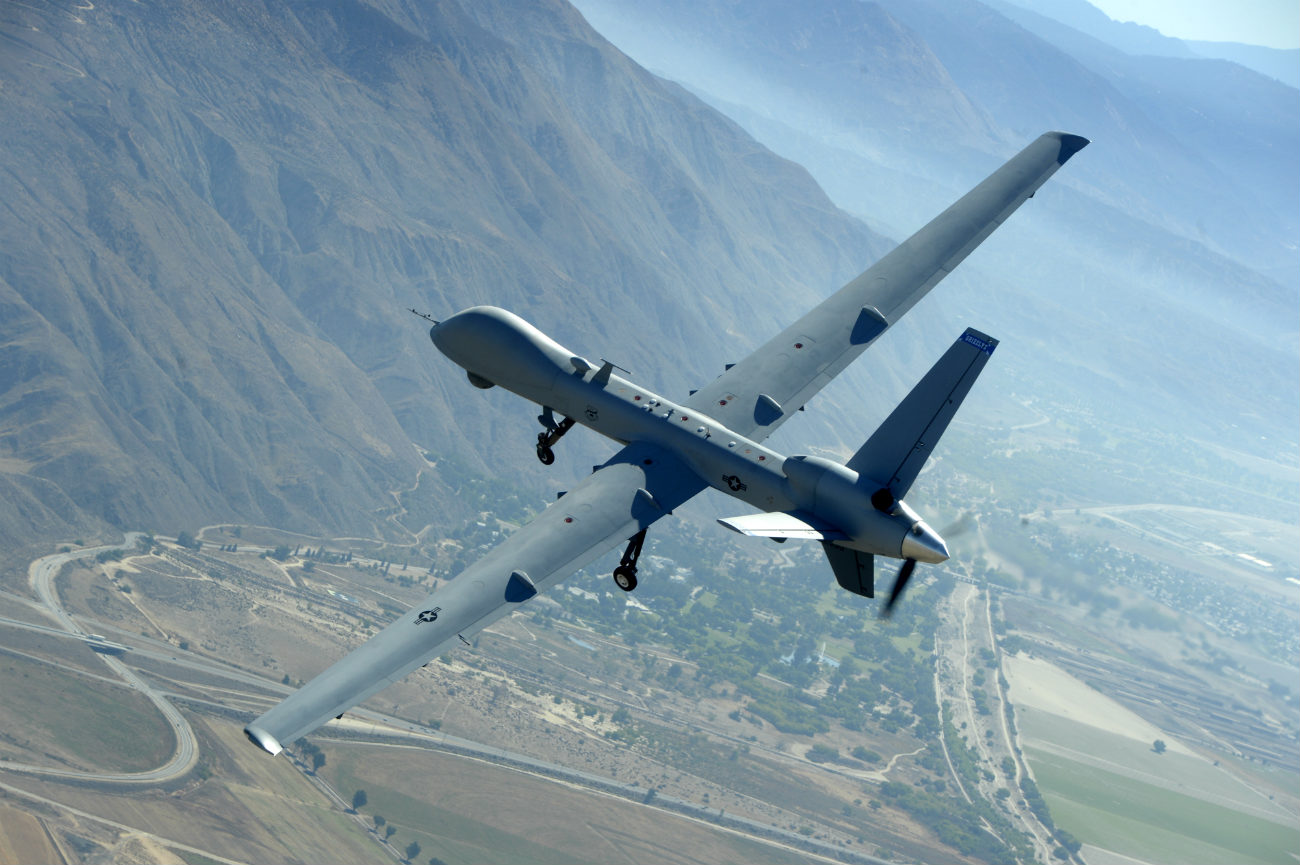


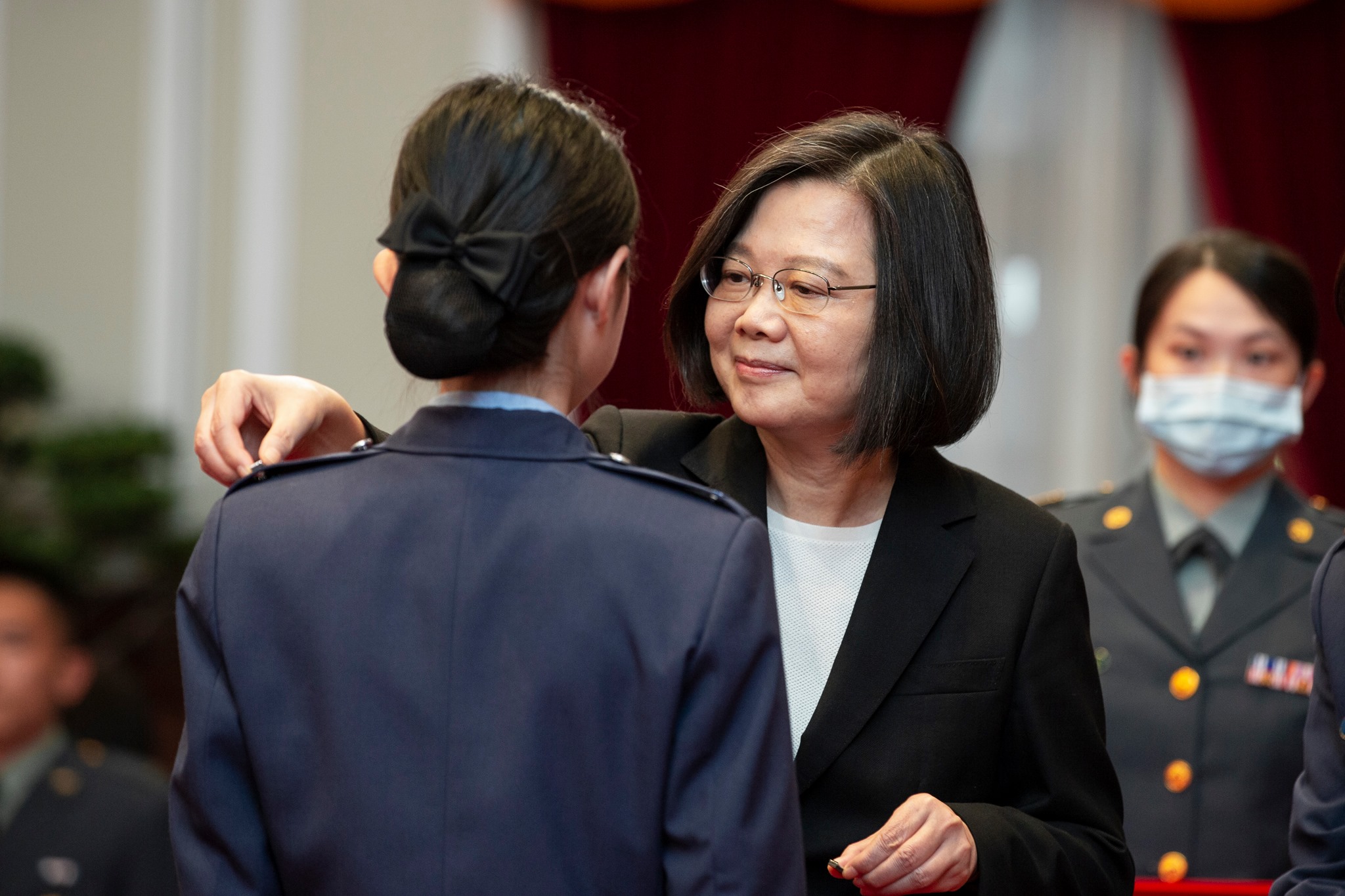
The next four years will be marked by uncertainty over China’s trajectory and the state of the world in the wake of COVID-19.The first four years under the Tsai Ing-wen administration have brought greater clarity regarding Beijing’s attitude toward Taiwan and its democracy. Although in the months prior to her …

With a major epidemic on its hands, the Chinese government has not ceased its political warfare activities against Taiwan. It is now using the outbreak of coronavirus to divide Taiwanese society and to turn the public against the elected government of Tsai Ing-wen by forcing the latter to choose between …
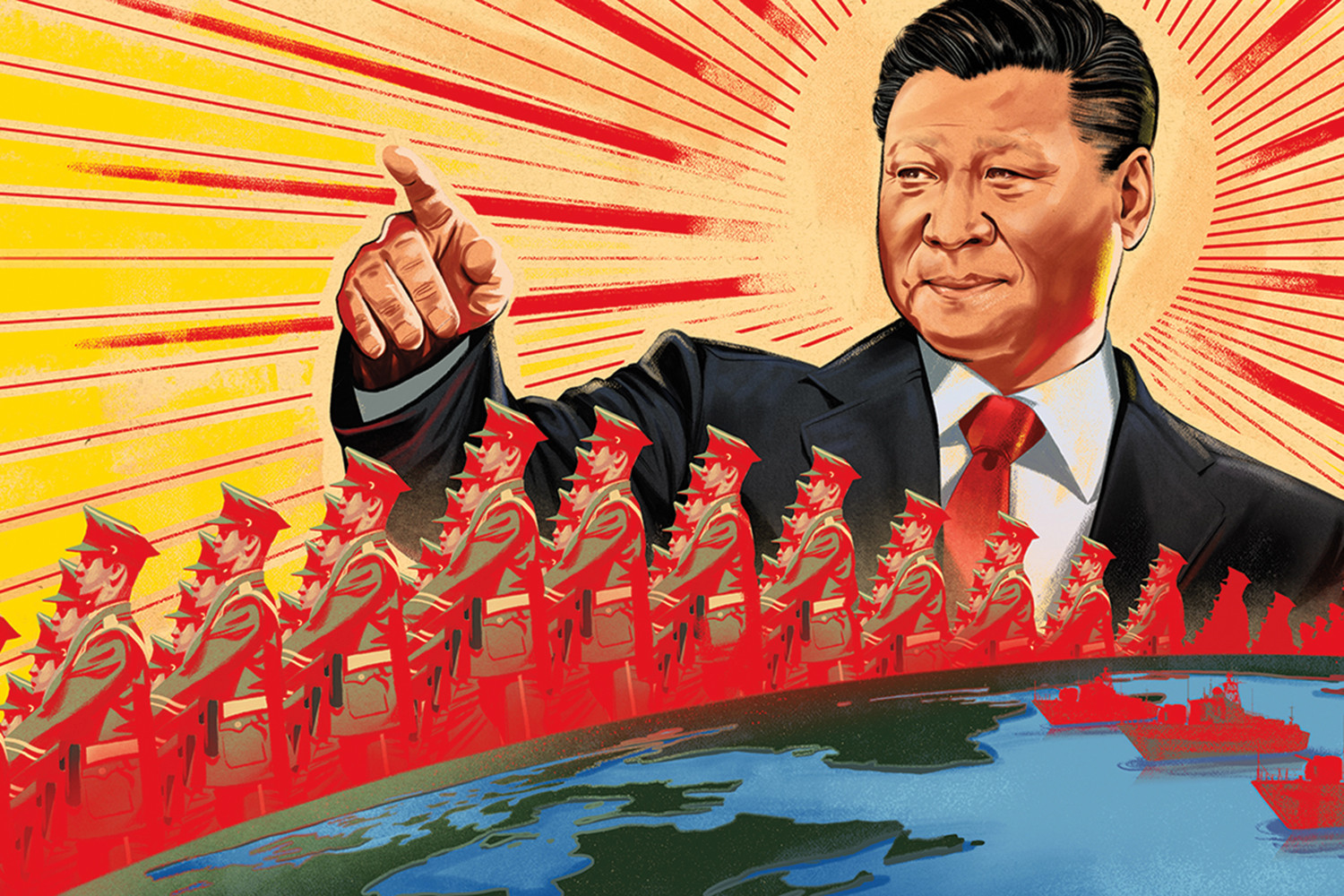
Disinformation can contribute to polarization within a targeted society while eroding belief in the objective truth. China’s information warfare efforts are helped by a media environment in Taiwan that suffers from a variety of deficiencies.Although Chinese disinformation is very much in the news today — literally — there is nothing …
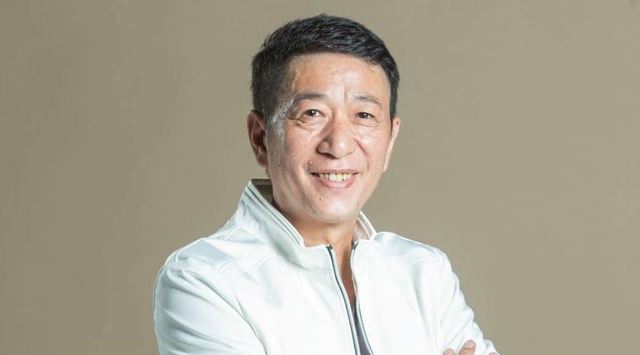
Family business connections in the Pingtan free-trade zone and a son’s involvement with the CPPCC are raising questions about possible CCP influence in a legislative candidate’s election bid in Chiayi County. Questions about possible Chinese interference in Taiwan’s 2020 elections have been surrounding Lin Kuo-ching (林國慶), a former legislator from the …
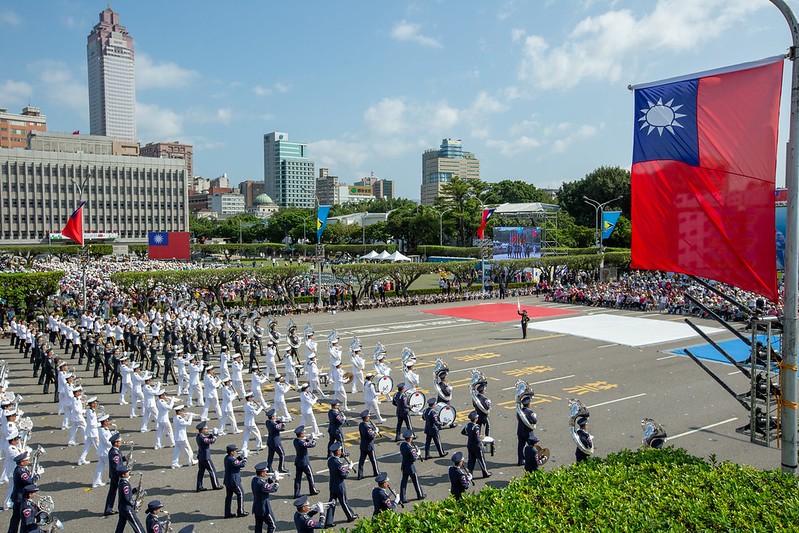
Since democratization, the main political parties in Taiwan have agreed to rules of the game which have served to legitimize the outcome of elections and ensure democratic continuity. Hitherto unseen forces in the blue and green camps are now threatening to undermine this essential tradition. Consolidated democracies can withstand political divisions, …
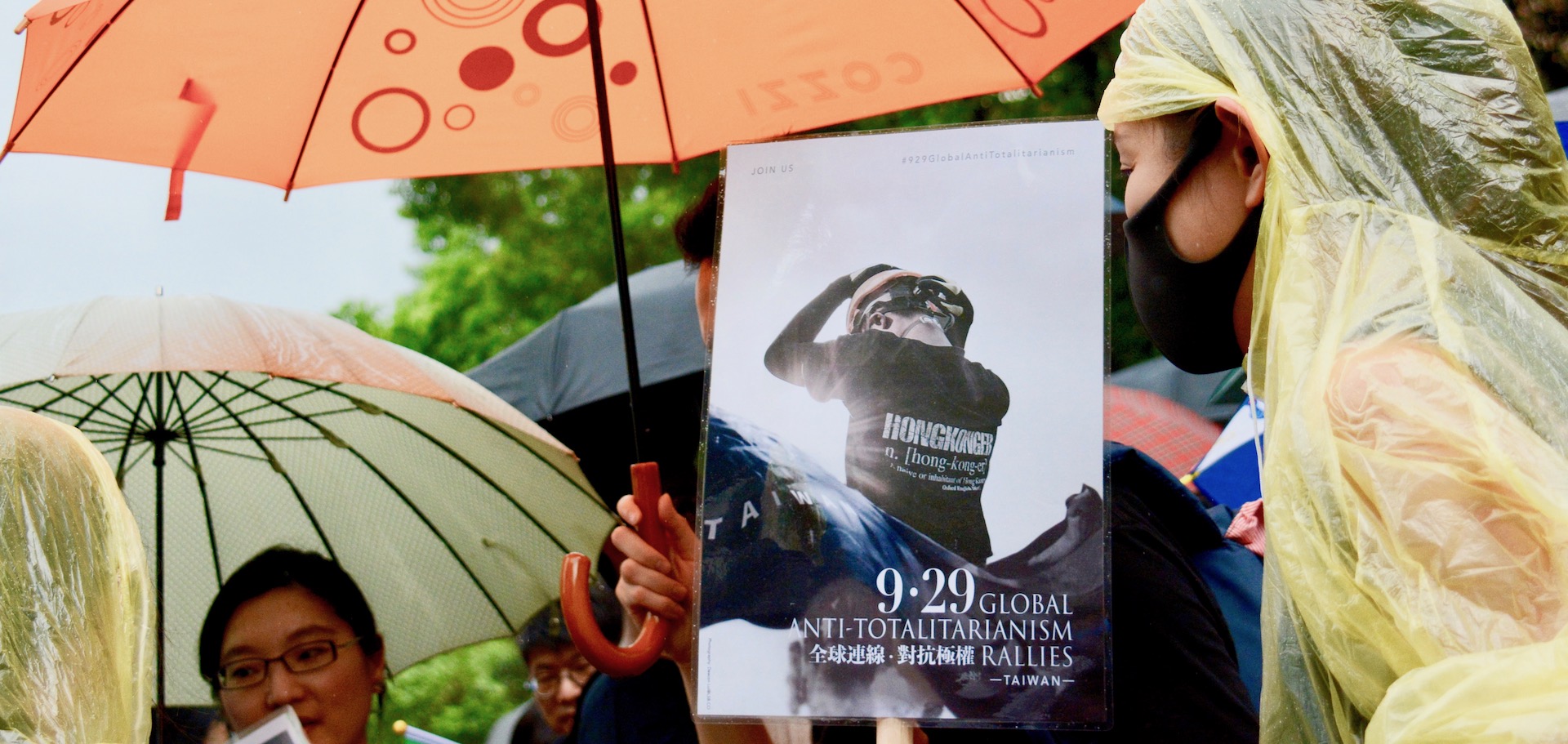
Rather than isolate Taiwan and Hong Kong, Beijing’s unwillingness to accommodate different political systems on its peripheries and its inability to do ‘soft power’ effectively has had the opposite effect.Defying an approaching typhoon on Sept. 29, tens of thousands of Taiwanese — most of them young adults — took part …
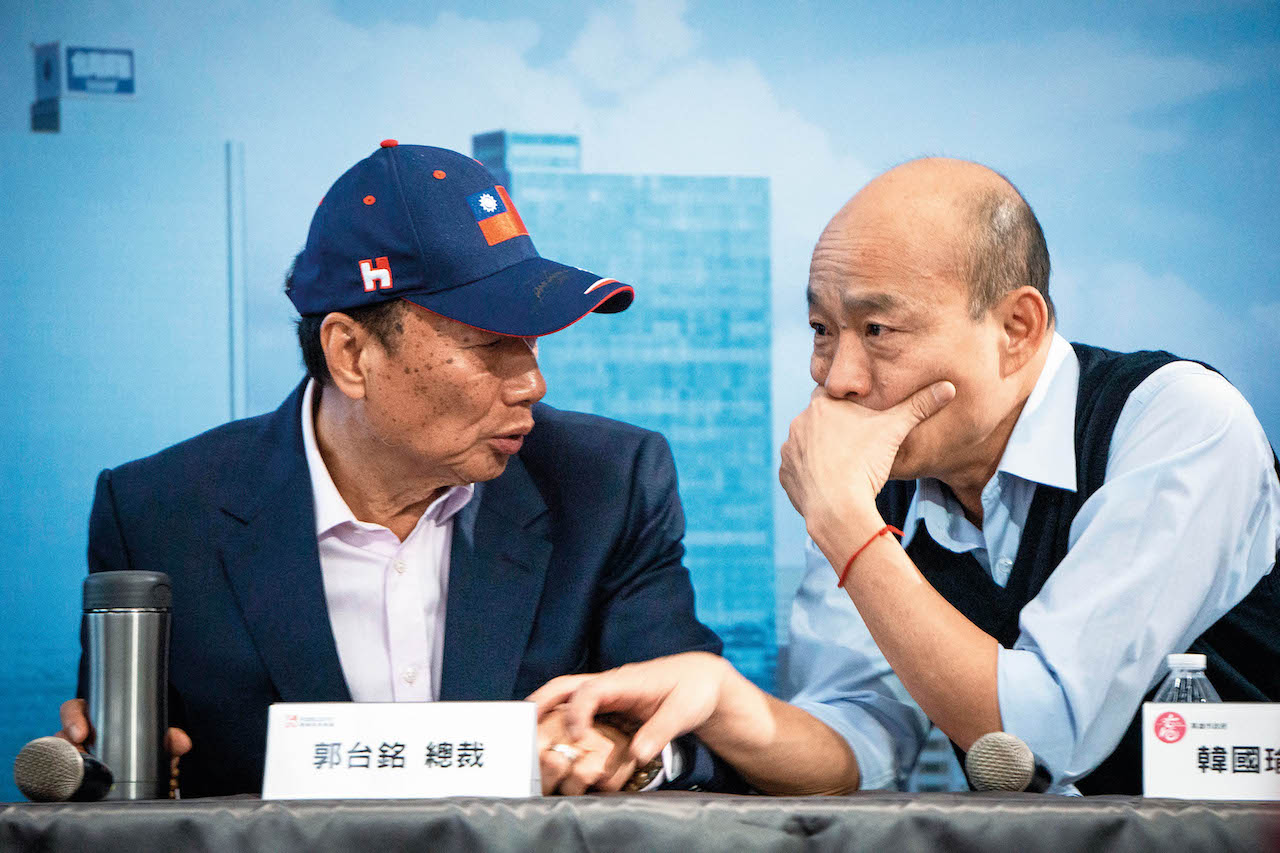
Within a matter of months, Han the savior has turned into a liability, and a bit of an embarrassment, for the KMT. What happens in the next weeks and months is anyone’s guess, but it is likely that Han and his supporters might not like what the blue camp has …
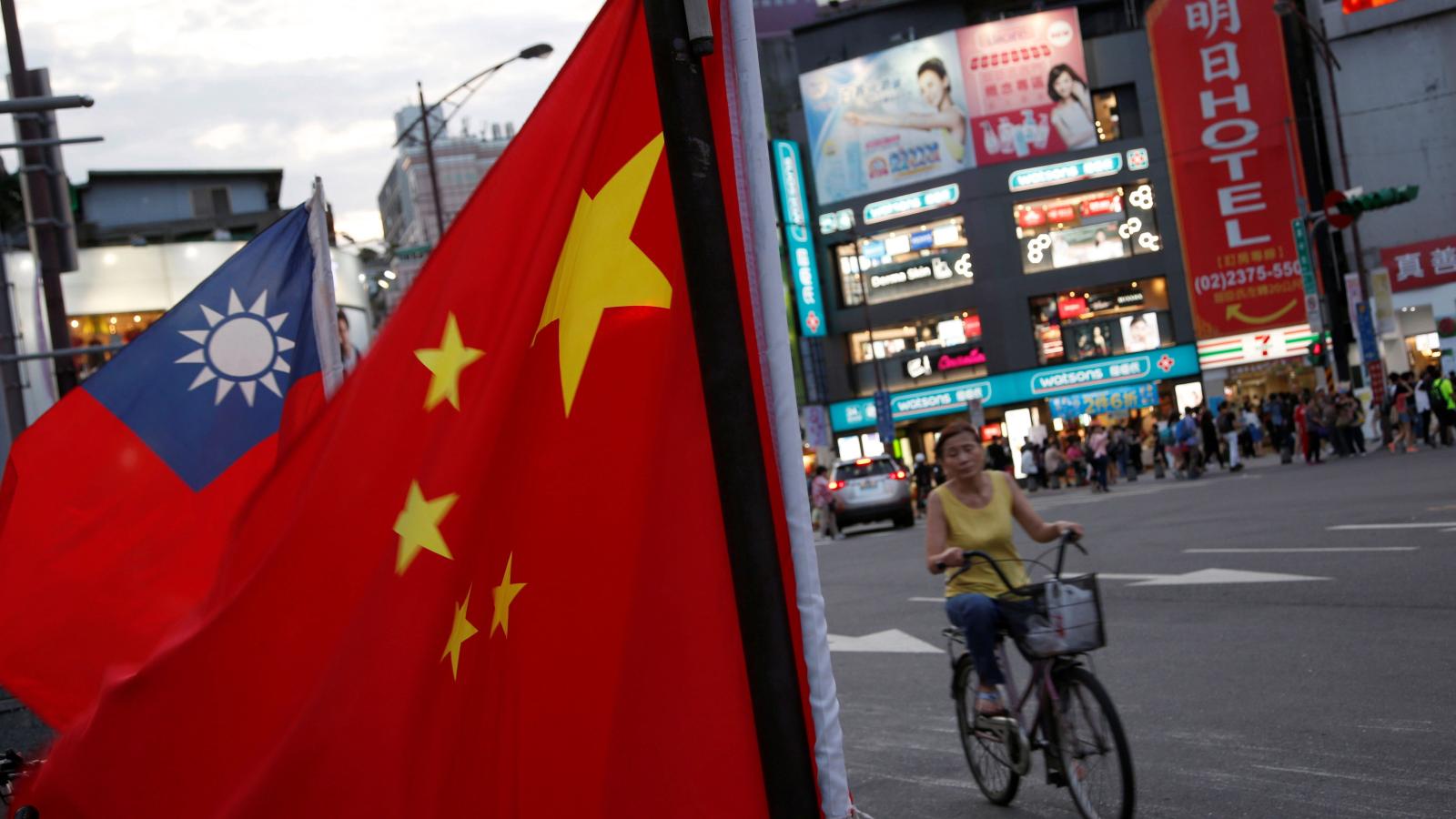
The zero-sum game in the Taiwan Strait has outlived its usefulness and no longer reflects reality. Taipei should make it clear that it is willing to think creatively about the problem. Offering the possibility of dual recognition would be a step in that direction.For decades now, Taipei and Beijing have …

Liberal democratic societies are simply incompatible with the increasingly authoritarian mindset that animates the CCP. The notion that their inhabitants — global, connected and proud of their liberties — would willingly cede their freedoms to Beijing is naive at best.I will always remember the chilling sound of the riot police’s …
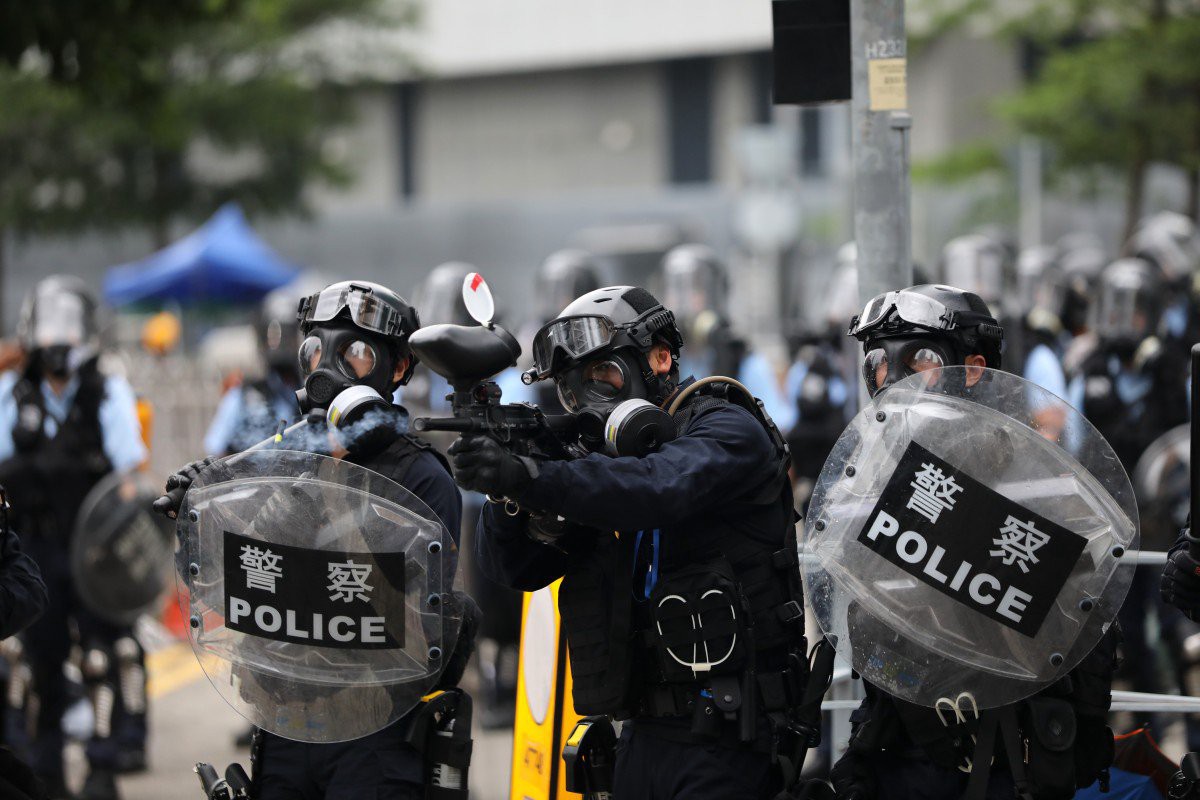

No. A police state would serve Beijing better.With the Hong Kong protests intensifying in the past month, there has been much speculation about Beijing’s next move. In particular, many have wondered whether the People’s Liberation Army (PLA) could be deployed to quell the protests. When police suddenly left their position and …


In recent speeches, both politicians claimed that Taiwan’s democracy is in danger. But the way they conceptualize this danger is markedly different.When discussing Taiwan under martial law with my students, we often consider how to best categorize its authoritarian rule. If we exclude the economic sector, at least in the …
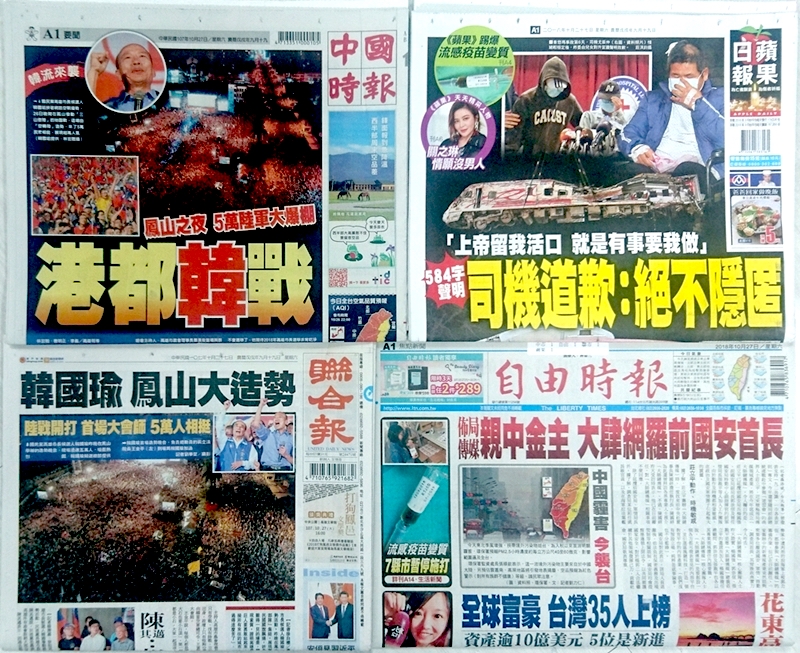
How can we avoid the imposition of a blanket silence which can only empower our enemies and damage our democracy? One way is to approach the problem from a different angle by providing additional protections for the journalists, academics and political commentators whose job it is to comment on politics.With …